
The Replacement Question
What if your product disappeared tomorrow?

Hey everyone!
Today’s essay is written by a very good friend of mine Seth Waite. I met Seth years ago when we both lived in Bentonville, AR. He was the Chief Strategy Officer at a company called RevUnit and I was at Walmart. Today, Seth helps brands find their best next customers. Using customer insights and buyer psychology, Seth has built a custom framework for evaluating the reasons why people buy. His experience includes working with some of the biggest retailers and CPG brands in the world, but also first-time founders and growth companies. He has always been one of my favorite people to talk with about strategy so I was really excited when he agreed to contribute to Shelf Conscious.
You can find Seth:
on LinkedIn: https://www.linkedin.com/in/sethwaite/
At his his company site: Schaefer.co
or, if you want more of Seth’s writing you can find it on his Substack (highly recommend): WhyPeopleBuy.com
Enjoy!

A Simple Question
“If this product disappeared tomorrow, what would you do?”
This is the number one question I ask customers when doing research for my brand clients. The answer is often shocking and forces the brand to face some uncomfortable truths.
Recently, I watched a protein bar founder’s face drop when his best customer answered: “Honestly? I’d probably just go back to FitCrunch bars. They don’t have the same macros, but they are almost as good as a candy bar.”
Six months of work.
Thousands invested in product development to create the perfect balance of nutrition and flavor.
A “revolutionary” protein bar in a crowded space where the average aisle is a rainbow assortment of colors, claims, and brand names.
Protein bar brands coming and going from the aisle every time inventory is updated due to the incredible competition.
And if his bar were no longer on the shelf… his VIP customer would shrug and go back to his old protein bar. 👀
Here’s what kills me:
We’re so busy building product features that we forget to ask if anyone would miss us if we vanished. The Replacement Question isn’t about your product. It’s about the hole you’d leave behind.
Or wouldn’t.
What Business Are You In?
I’ve asked this question to thousands of customers for nearly a hundred brands. The responses sort into four buckets that tell you exactly what business you’re really in:
“I’d buy [direct competitor]” = You’re a commodity
“I’d try to find something similar” = You’re a preference
“I’d have to change how I do things” = You’re a solution
“I honestly don’t know what I’d do” = You’re irreplaceable
Most founders think they’re in bucket 4.
Most customers put them in bucket 1.
Let’s go back to the protein bar company we worked with last year, which was convinced they had loyal customers. Their product was organic, sugar-free, plant-based, high protein and low carbs. All the right words. We asked 30 customers the Replacement Question.
28 said they’d grab a competitor’s brand. Of the 28, fourteen said they already had the competitor brand in their pantry and would simply start eating that protein bar as their primary choice. The founder was shocked to learn that their customers already ate other bars from competitors while actively purchasing their product. And he was disappointed.
1 said she’d switch to higher protein whole foods.
1 said he’d cry.
That last one? Turns out the founder had helped him through their weight loss journey. He bought the protein bars as part of his health journey and over time, had developed a relationship with the founder, who was one of his biggest cheerleaders on social media. It wasn’t about macros. It was about feeling motivated and getting healthy. Every bar was a small victory.
We found other customers with similar stories. Weight loss, diabetes, and fitness goals. It was a daily commitment to their health journey.
The brand pivoted everything. Messaging. Distribution. Partnerships. They stopped trying to compete on taste and started competing on transformation. Their social media became a personal connection with the founder who was cheering them on. They felt understood and encouraged. Choosing this protein bar became a way to repay a friend. They had 50+ options to choose from usually and they were all nearly the same… so they picked the personal connection.
Revenue doubled. Not because they changed the product. Because they finally understood what they were really selling.
But here’s where it gets interesting:
The Replacement Question works because it forces customers to imagine loss. And loss aversion is 2x more powerful than potential gain. When someone pictures your product disappearing, they either feel nothing or they feel panic.
The panic tells you everything.
I learned this from a pasta sauce brand. Premium ingredients. Beautiful packaging. Dead sales. We asked customers what they’d do if it disappeared.
“Buy Rao’s” was the overwhelming response.
Except for the customers who said they’d stop making their grandmother’s lasagna or pasta recipe. The sauce tasted exactly like what their nonnas made. Without it, the recipe wouldn’t be “right.”
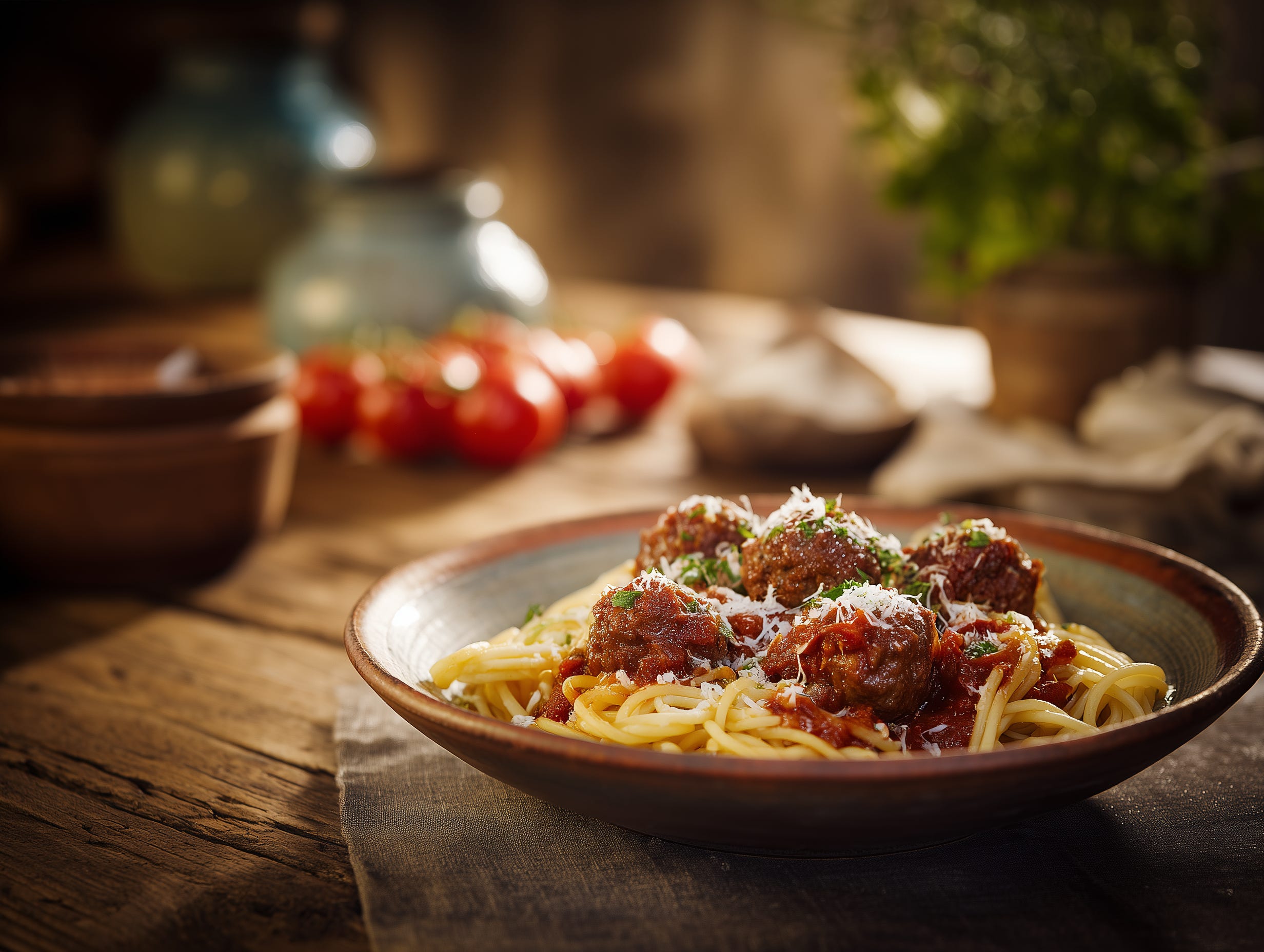
Those customers were buying memory.
Everyone else was buying marinara.
The brand could have fought Rao’s on quality. On price. On distribution. Instead, they created a “Sunday Sauce” campaign centered on family recipes. They partnered with multi-generational influencers like grandmas with their grandsons and moms with their moms.
They stopped selling sauce and started selling Sunday dinners with grandma.
The math was brutal but clear:
- 90% of their customers: Replaceable
- 10% of their customers: Irreplaceable
- 100% of their growth came from finding more of that 10%
This is why most customer research fails. We ask:
- “What do you like about our product?”
- “How would you rate us?”
- “What features do you want?”
When we should ask: “What would break if we disappeared?”
Because that’s where the truth lives.
Ask These Too
Here are a few more powerful questions to ask customers…
1. “What were you doing right before you decided to buy this?”
The Trigger Question. Uncovers the actual moment of need, not demographics. A mom buying cookies at 3 pm (school pickup) vs. 9 pm (stress eating) is two different customers.
2. “Who else knows you use this?”
The Social Question. Exposes whether it’s a private solution or a public statement. Premium water hidden in the fridge vs. displayed on the desk tells you everything about the job it’s doing for the customer.
3. “When did you first realize you needed something like this?”
The Origin Question. Identifies the moment the problem became undeniable. That moment - not the features - is what you’re really selling.
4. “What would have to be true for you to pay 2x the price?”
The Value Question. Forces them to articulate what actually matters vs. what’s nice to have. Their answer is your product roadmap.
Stop asking customers what they want.
Start asking what they’d lose.
The difference between those two questions is the difference between a product and a brand people can’t live without.
What would your customers say?
Thanks for reading all and if you enjoyed this piece be sure to subscribe to Seth’s Substack!
Take care,
Jordon ✌️
I love this question... it's so broadly applicable outside of CPG as well. Great insight into buyer motivations!